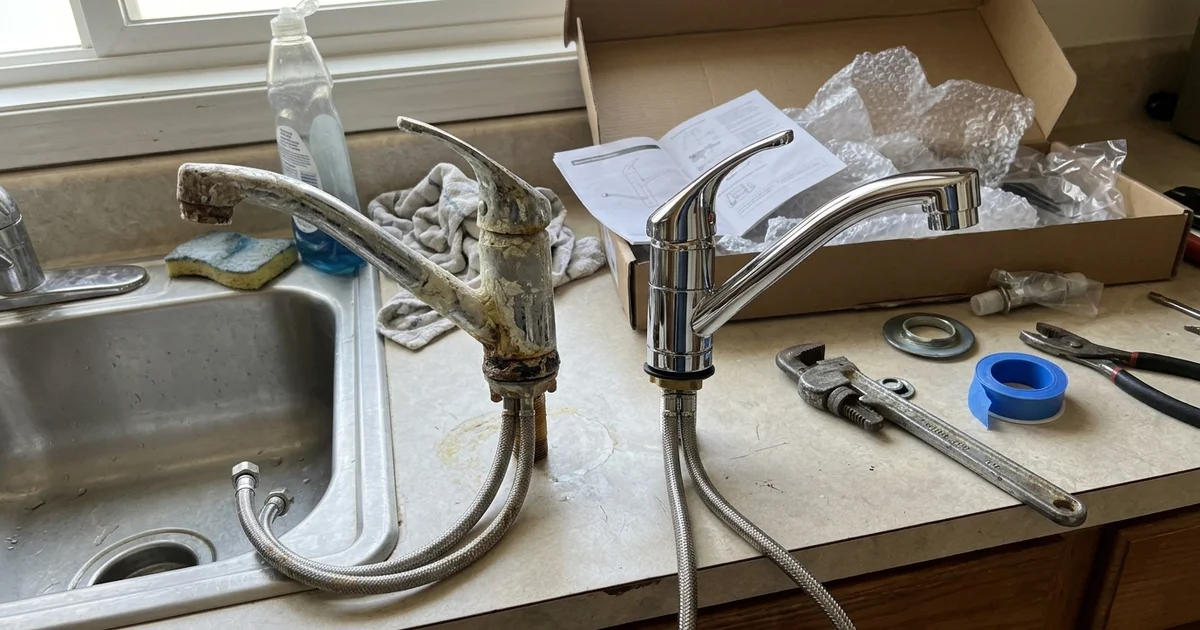
In a town with moderate water, a softener is a comfort purchase: softer towels, fewer spots on the wine glasses. In Bullhead City, on the Colorado River, the math is different. The water is hard, and it is already costing most households money in ways that do not show up on the water bill. The useful question is not whether you want soft water. It is how much the hard water is costing you now.
For background on the water itself, see how hard the water is here.
A quick self-audit
Tick each one that applies to your home:
- A water heater failed well short of its rated life
- The water heater pops or rumbles while heating
- A tankless unit has shown scale or flow error codes
- You have replaced the same faucet cartridge more than once
- A shutoff valve seized when you tried to close it
- Shower heads and aerators crust over within months
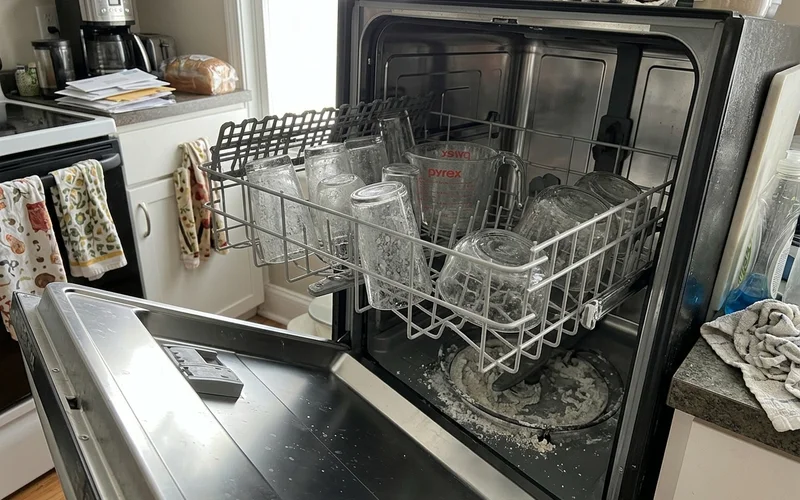
- Glassware stays cloudy and the dishwasher leaves a film
- The gas bill crept up with no change in how you use hot water
Three or more ticks: a softener is very likely worth it. One or two: worth testing your water and getting an opinion. None: you may be on a different water source, or the house is newer than its problems.
Where the money goes without treatment
| Equipment | What hard water does | How the cost shows up |
|---|---|---|
| Tank water heater | Scale crusts the bottom, steel overheats and corrodes | Replacement years early, plus cleanup if it leaks |
| Tankless heater | Heat exchanger scales up | Frequent descaling, or exchanger damage if skipped |
| Faucets and toilets | Sealing surfaces wear | Repeat cartridges, flappers, fill valves |
| Shutoff valves | Stems seize | A valve that fails in the one moment you need it |
| Appliances | Heating elements scale | Longer cycles, shorter life |
| Energy | Burner heats through scale | Higher gas or electric bills |
The water heater is the largest single line for most homes. In summer it is also working in a garage well past 110 degrees, which adds to the wear.
The honest cost of owning one
A softener is not free to run. Better to know the upkeep before you buy:
| Item | What to expect |
|---|---|
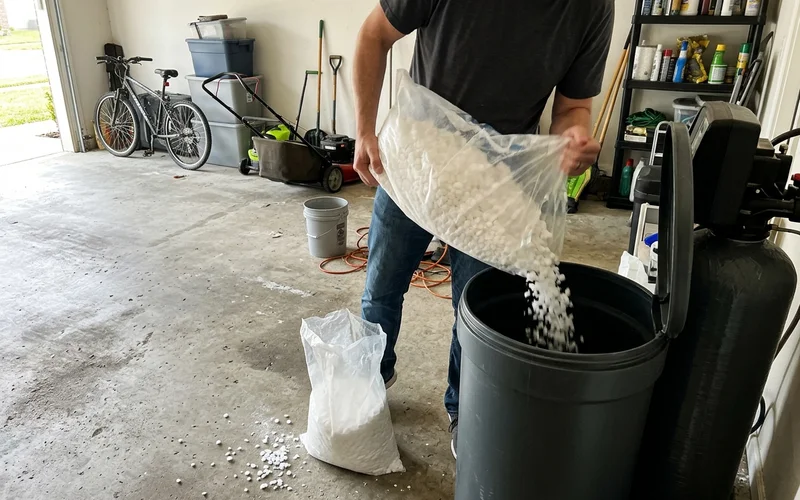
| Salt | Topping up the brine tank every few weeks for a typical family |
| Regeneration water | Some water each cycle; more if the unit is undersized |
| Service | Occasional attention to the control valve or resin over the years |
| Space | A resin tank and a brine tank near where water enters the house |
| Drain | A nearby drain for regeneration discharge |
Sizing changes every line on that table. An undersized unit regenerates too often, burns through salt, and wears out its resin early.
Local expert insight
Households with a tankless heater, a tank that already failed early, or plans to stay five years or more are close to a sure yes. The longer you stay, the more equipment life you get back.
When the answer is no, or not yet
- You are selling soon. The next owner gets most of the benefit.
- The home is rarely occupied. A winter home used a few months a year runs far less water. A good maintenance schedule may be enough.
- Salt is not practical. If nobody can lift forty-pound bags and delivery is not available, a salt-free conditioner is a partial alternative. It reduces scale sticking but does not remove hardness.
- You have not tested. Check your reading at the tap or in the city’s current water quality report before you buy anything.
What a softener will not fix
It will not make drinking water taste better; reverse osmosis at one tap does that. It will not remove chlorine or grit; whole-house filtration handles those. And it will not clear scale already inside your water heater. It stops new scale from forming.
Getting a straight answer
Our water softeners and reverse osmosis service starts with testing your tap water and asking what made you call. Contact Bullhead City Plumbing Pros at 928-555-0100, answered any hour in English or Spanish by an automated assistant that routes your request to a local plumber. Request a free estimate and ask about any service call fee before booking.