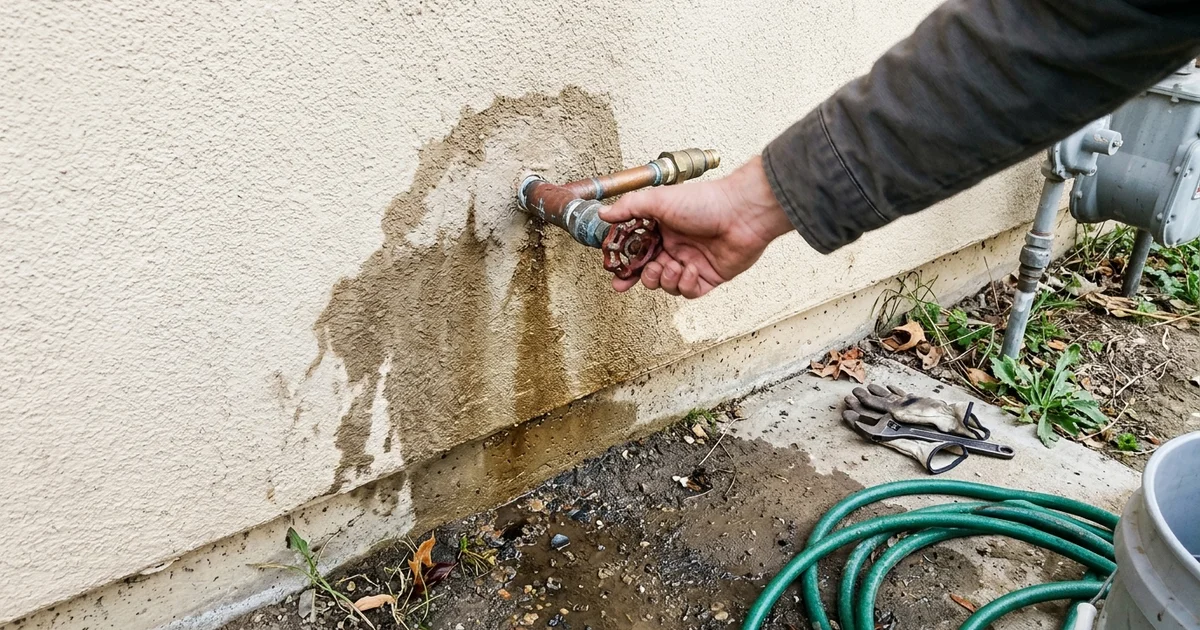
Leaving a house locked up through a Bullhead City summer is different from leaving it for a week. The garage cooks, the water in the lines stays warm for months, and the drains slowly dry out. Most fall surprises, the high water bill, the smell, the stained ceiling, trace back to a step that got skipped on the way out. Set aside half an hour on your last full day.
The order that works
Do these in sequence. A few depend on the step before.
1. Walk the house with the water still on (5 minutes). Open each sink cabinet and look for damp wood or drips. Check around every toilet base. Look at the water heater for rust or moisture at the bottom. A small seep you can see now becomes a much bigger problem by October, so get it repaired before you leave.
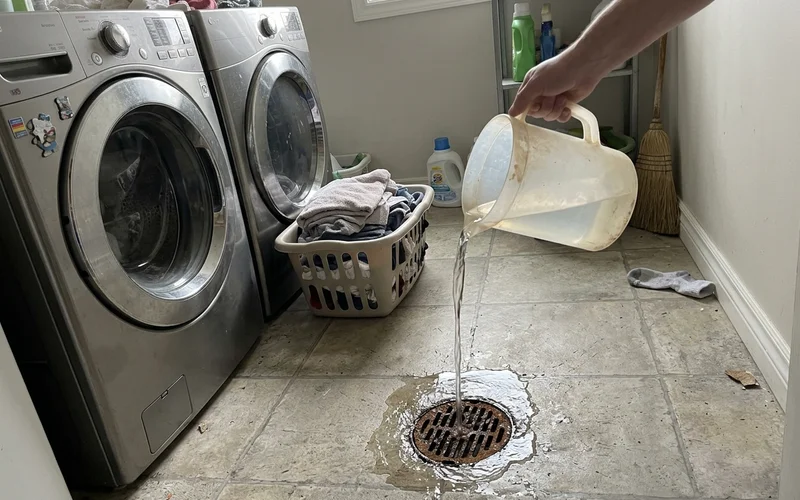
2. Fill every trap (5 minutes). Run water into each sink, tub, shower, and floor drain, including the guest bath nobody uses. For drains you rarely touch, add a tablespoon or so of mineral oil on top. It floats and slows evaporation through the hot months.
3. Set the water heater (2 minutes). Gas: turn the control to vacation or pilot. Electric: switch it off at the breaker. Do this before closing the main.
4. Close the fixture valves (5 minutes). Turn off the washing machine supply valves, the ice maker line, and the valve behind each toilet. These are the most common sources of a slow leak in an empty house.
5. Close the main (2 minutes). Find the house main, usually on the street-facing wall or in the garage, and close it fully. If it is a round wheel that will not turn, do not force it. Read how to turn off the main water valve and use the meter valve at the curb instead.
6. Relieve the pressure (1 minute). Open a low faucet briefly to drop line pressure, then close it.
7. Set the softener (2 minutes). If you have one, put it in bypass or follow the manufacturer’s vacation instructions.
Leave a one-page plan
A key alone is not enough. Tape a short note inside the garage or give it to a neighbor or property manager:
| On the note | Example |
|---|---|
| Where the main valve is | “Garage, left of the water heater, red tag” |
| Where the meter box is | “Curb, right side of the driveway” |
| How to reach you | Your cell and an email |
| Who can let a plumber in | Neighbor or manager name and number |
| What to do if they find water | “Close the main, then call 928-555-0100” |
A phone photo of the valve with the tag on it is worth sending to whoever holds the key.
Local expert insight
The calls that do the most damage are the ones that come late. A neighbor who knows where your valve is and has the number saved can turn a ruined floor into a wet towel.
Common mistakes
- Closing the main but leaving the heater on normal. This is the combination most likely to damage the heater.
- Counting on the irrigation timer. Landscape lines are usually separate from the house supply, and a broken drip line can still run up the bill if the irrigation supply stays on.
- Assuming a newer house is safe. Supply hoses, toilet fill valves, and water heaters fail in houses of every age.
- Skipping the floor drains. Garage and laundry floor drains dry out first.
If something happens while you are gone
If someone calls about water at your home, call 928-555-0100 from wherever you are. The automated bilingual assistant answers at any hour, takes the details and the name of whoever can provide access, and routes it to a local plumber. Bullhead City Plumbing Pros offers free estimate requests; ask about any service call fee before work is booked. Hidden leaks found on your return fall under leak detection.
When you get back
Do not open everything at once. Read coming back to a winter home for the order that catches problems before they spread.