Getting a stopped drain flowing is always the first goal. The trouble is that two very different machines can get it flowing, and only one of them actually fixes certain lines. Choose the wrong one and the drain works today and backs up again next month. This guide puts them side by side so you can tell which one your situation calls for.
How each tool works, in one paragraph each
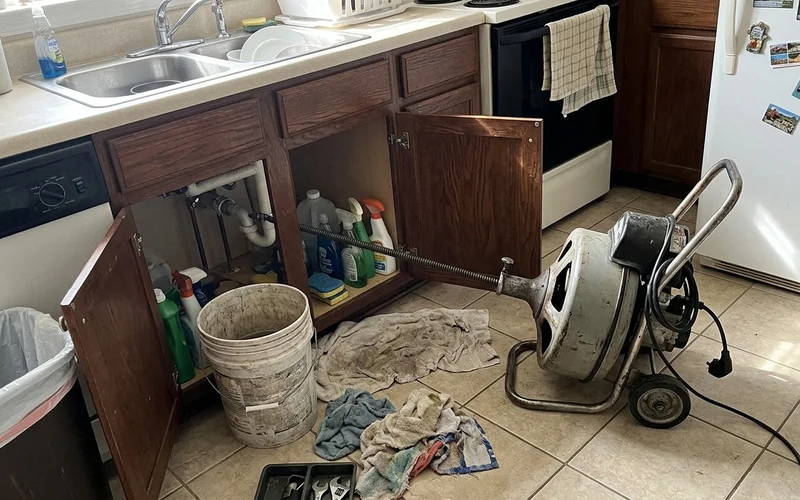
Drain cable (snake). A motor spins a steel cable with a cutting head down the pipe. It bores through the blockage, can hook material and pull it back, and leaves the pipe walls more or less as they were, coating and all.
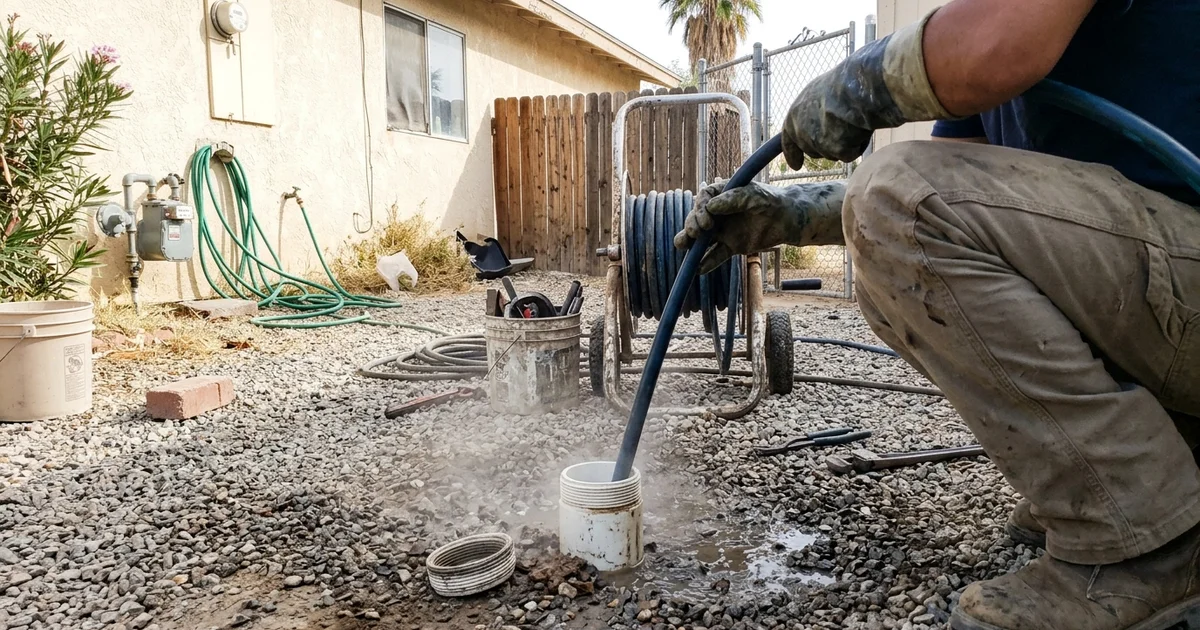
Hydro jetter. A hose carries water at high pressure to a nozzle with rear- and side-facing jets. The jets pull the hose forward and scour the full inside diameter of the pipe, washing grease, sludge, and soft scale down the line.
One opens a path. The other restores the pipe.
Comparison by the criteria that matter
| Criteria | Drain cable | Hydro jetting |
|---|---|---|
| Ideal problem | One solid blockage | Buildup coating the wall |
| Hair, wipes, objects | Excellent | Works, but more than needed |
| Grease in kitchen lines | Punches a hole only | Removes the coating |
| Mineral scale | Little effect | Removes soft scale |
| Roots at joints | Cuts a tunnel | Cuts back to the pipe wall with a root nozzle |
| Safe on fragile old pipe | Generally lower risk | Camera check first |
| Time until the next problem on a fouled line | Often weeks to months | Often much longer |
| Upfront cost | Lower | Higher |
| Long-run cost on a repeat line | Grows with each visit | Often lower overall |
Six common situations and the right first move
- First clog in years, one fixture. Cable. It is a single event in a healthy pipe.
- Toilet blocked by something that should not be there. Toilet auger or cable. Retrieve it and you are done.
- Kitchen sink slow again a few months after clearing. Jetting. Grease lines the whole wall and a cable only cores through it.
- Main line backed up twice this year. Camera first, then usually jetting. Something is catching waste.
- Older home with original drain pipe. Cable to restore flow, camera to see the pipe, then decide whether jetting is safe.
- Roots found on an earlier visit. Jetting with a root-cutting nozzle, which clears to the wall instead of leaving a tunnel.
What local conditions add to the decision
Hard water. Water in Bullhead City carries a heavy mineral load from the Colorado River. Most of the scale ends up in water heaters and fixtures, but drain lines get some too, especially where hot discharge from dishwashers and washing machines cools and drops minerals. A cable passes right over that crust. A jetter removes it.
Seasonal kitchens. In a winter home, the kitchen line sits dry for months. Residue inside hardens, and the first weeks of heavy holiday cooking are often when a line that was already narrow finally closes.
Older lines. Older neighborhoods have drain pipe that may be cracked or corroded. High pressure on a damaged section can make it worse, so those lines should be seen on camera before anyone jets them.
The two-clears rule
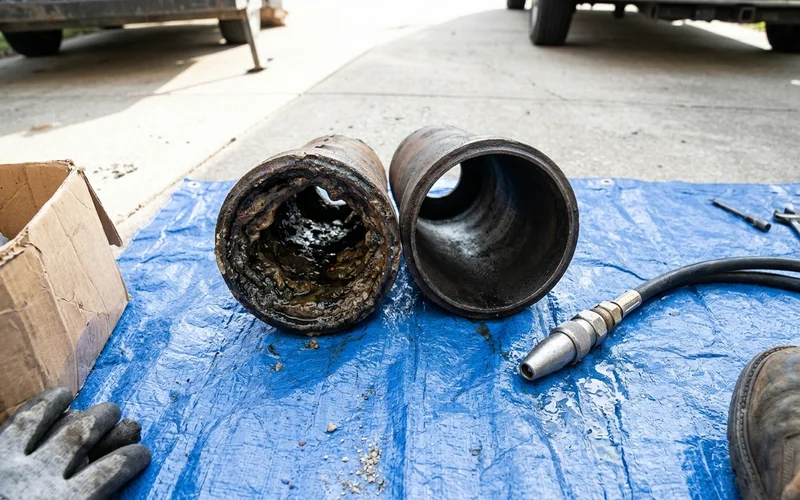
If a line has been cleared twice in twelve months, stop thinking of it as a clog. It is a line condition: grease, a sag, an offset joint, or roots. Cabling alone keeps you on a backup schedule. Jetting plus a camera tells you whether the pipe is clean afterward or whether something structural is waiting. Our guide on why the same drain keeps backing up walks through each cause.
Local expert insight
When the camera shows a collapse, a sag holding water, or a joint pulled apart, neither tool is the fix. Clearing buys a few weeks. It is better to know that before paying for another clearing.
Four questions to ask before you approve either
- Will you run a camera before or after, and can I watch or keep the footage?
- If you jet, how will you confirm the pipe can handle it?
- If this comes back, what do you think the cause is?
- Is there a service call fee, and is the estimate free?
Our drain cleaning service covers both cabling and jetting, with camera inspection in the same line of work. Call Bullhead City Plumbing Pros at 928-555-0100 at any hour, in English or Spanish. The automated assistant records which drains are affected and how often it has happened, so the plumber brings the right equipment.